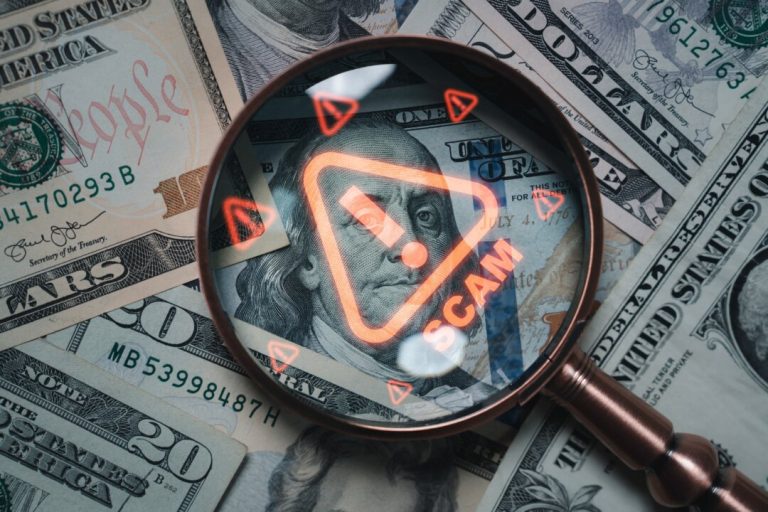
There is a corner of the fraud economy built entirely on targeting people who have already been robbed.
The FBI’s Internet Crime Complaint Center (IC3) logged more than 10,500 complaints about so-called recovery scams in 2025, with estimated losses of $1.4 billion, and the victims were chosen precisely because they had lost money once before. Fraudsters pose as law firms, government investigators, and even the IC3 itself, promising to retrieve stolen funds in return for a fee or more information they can use for future attacks.
It can be a particularly cruel tactic—a second scam arriving at your most desperate moment, yet almost nobody knows that
.
Quick Answer: Is a Funds Recovery Service Legitimate?
If you’ve been scammed, keep this rule in mind: be highly suspicious of any agency, law firm, or service that charges an upfront fee to recover stolen money, and especially of investigators who contact you out of nowhere to offer recovery. Anyone doing either is almost certainly running a scam.
Start by reporting your scam incident through the free channels: file at
, call your bank’s fraud department immediately, and report to
. The FBI’s Recovery Asset Team froze $679 million in fraudulent transfers in 2025, at no cost to victims. Recovery isn’t guaranteed, but speed is crucial and the process starts with your report, not an unsolicited phone call.
The Details: How the 2nd Scam Runs
The approach might arrive by phone, email, social media message, or an ad placed where scam victims gather, such as comment sections under fraud news stories.
Common scam traits include a professional and specific pitch, perhaps claiming they have “located your funds.” There is often a case number, official-looking documents, and sometimes a spoofed government seal or website. In 2025, some schemes went as far as impersonating the FBI’s IC3 employees, meaning the fraudsters posed as the very agency victims should report scams to.
This is often followed by demands for a fee, framed as a tax, a legal filing cost, a processing charge, or a way to “release” the recovered money. Pay it, and a new obstacle appears requiring another payment. Recovered funds never arrive. Schemes end when you stop paying or the scammer moves on—and by then you must add a second loss to the first.
Why They Chose You
Victims of “second scams” typically ask: How did they know?
Victim information is bought, sold, and traded among criminal networks, so the theft that took your money can also produce a lead file with your name on it. A prior scam loss is an excellent predictor of a recovery-scam contact. Understanding this converts any eerie feelings of being mysteriously exposed into recognition of a business model.
Besides the business model, the original scammer, data brokers, hacked databases, or your own public posts may also expose the information to the second scammers.
Remove your embarrassment from the equation. Being targeted twice isn’t proof of mistakes on your part. The
is organized, and it began with you being forced into a victim category you never chose to join.
The Other Motive: Your Data
Not every second scammer is after an immediate recovery fee.
Some are trying to obtain passwords, account numbers, government identifiers, copies of identification, or remote access to your computer or phone. They may pose as investigators who need documents to verify your claim or as officials who must “secure” your accounts.
Once obtained, that information can support identity theft, account takeovers, or further fraud even if you never send the promised recovery payment.
How Real Recovery Works, and Its Honest Limits
The IC3’s Recovery Asset Team ran 3,900 Financial Fraud Kill Chain actions in 2025 against more than $1.1 billion in attempted theft and froze $679 million.
The key factor to success here is speed. The Kill Chain works by freezing money before it disappears into layered accounts, so it is most effective on recent transfers. Report immediately, ideally within about 72 hours.
That means your first two steps after any scam are calling your bank’s fraud department to request a recall or freeze, and going to ic3.gov to file a complaint, triggering the review process. REMEMBER: type that URL directly into your browser rather than through any ad link.
Here’s the hard news: Money already converted to cryptocurrency and moved offshore is rarely recoverable, and card payments have dispute rights that wires and crypto do not.
Any service claiming it can reliably retrieve crypto from scammers is describing a highly complex process (via blockchain-forensics firms, law-enforcement resources, etc.) that should be treated as a big red flag.
FAQs About Funds Recovery Scams
Can Scammed Money Ever Really Be Recovered?
Sometimes, and the odds depend heavily on speed and payment method. Recent wire transfers reported within days give the FBI’s Recovery Asset Team its best shot, and its 58 percent freeze success rate in 2025 shows that possibilities of recovery exist. Credit and debit card payments may be reversible through disputes. Cryptocurrency sent to scammers, however, is rarely recovered. Report immediately either way, because your complaint can also protect the next target.
Is Any Private Recovery Service Legitimate?
Treat the category with serious skepticism until
otherwise. Legitimate professionals such as attorneys do exist, but anyone cold-contacting victims, offering guaranteed results, or demanding fees by wire, crypto, or gift card is waving some big red flags. Recovery services that advertise to scam victims online are also frequently fraudulent—especially those who guarantee results or ask for fees—and the IC3 attributes $1.4 billion in 2025 losses to this activity. If you want professional help, find it yourself through your state bar or attorney general.
Someone Claiming to Be From the FBI or IC3 Contacted Me About My Case. Is That Real?
Be extremely skeptical. The 2025 IC3 report documents schemes in which fraudsters impersonated IC3 employees, and government agencies do not cold call, text, or email to offer money recovery, and never request fees or personal financial details that way. Hang up, do not click anything. Verify the official contact information and submit or update information through the real IC3 site, or call your local FBI field office through its publicly listed number.
What Should I Do in the First 72 Hours After Being Scammed?
Seventy-two hours is the outer edge of your window to act—the sooner you do, the better chance of getting results. Immediately call your bank or card issuer’s fraud line first and ask them to recall, freeze, or dispute the payment. Then file at ic3.gov with every detail you have, including account numbers the scammer used, since that filing may trigger the Financial Fraud Kill Chain. Report to ReportFraud.ftc.gov, change any exposed passwords, and tell someone you trust. Watch for recovery pitches to arrive and treat them as the second wave of attack.
The Epoch Times copyright © 2026. The views and opinions expressed are those of the authors. They are meant for general informational purposes only and should not be construed or interpreted as a recommendation or solicitation. The Epoch Times does not provide investment, tax, legal, financial planning, estate planning, or any other personal finance advice. The Epoch Times holds no liability for the accuracy or timeliness of the information provided.