Up to 150 million people in China have pulmonary nodules, according to state media.
The number of mainland Chinese patients found to have growths in their lungs has increased rapidly since the COVID-19 pandemic. The Chinese communist regime has attributed the increase to more frequent scanning, but Chinese citizens and experts are saying there are more reasons behind the huge numbers.
State-owned media outlet National Business Daily reported on Jan. 8 that the number of Chinese people with lung nodules detected through routine physical examinations has reached approximately 120 million to 150 million—a figure even exceeding the number of diabetes patients in the country.
The report also pointed out that lung cancer ranks first in both incidence and mortality among malignant tumors in China, and that approximately 75 percent of patients are diagnosed at an advanced stage, citing data from the International Agency for Research on Cancer, an agency under the World Health Organization.
However, the report didn’t mention what caused the staggering number of pulmonary nodule cases in China.
Dr. Zhong Nanshan, the regime’s top respiratory infectious diseases adviser, told state media last year that the increase in reported cases correlated with an increase in the number of people receiving CT scans after the COVID-19 pandemic. He said that “environmental pollution can also lead to their appearance.”
Zhong told the public not to panic about it and said, “Most pulmonary nodules are benign, but nearly 11 percent of them have malignant tendencies.”
Possible Reasons, Reasonable Doubts
Xiaoxu Sean Lin, associate professor of biomedical science at Fei Tian College in New York, said the high number of cases is the result of multiple factors that the authorities “are most reluctant to address.”
Those include citizens’ long-term exposure to environmental pollution, high incidence of long COVID—referring to symptoms lasting more than four weeks after COVID-19 infection—and problems related to Chinese domestic COVID-19 vaccines. Many people in China have experienced repeat COVID-19 infections over the past few years, Lin said.
“The incidence of long COVID is very high, and the proportion of these patients with pulmonary nodules is also very high,“ he said. ”Many people may still have pulmonary nodules even if they feel they have recovered from COVID-19.”
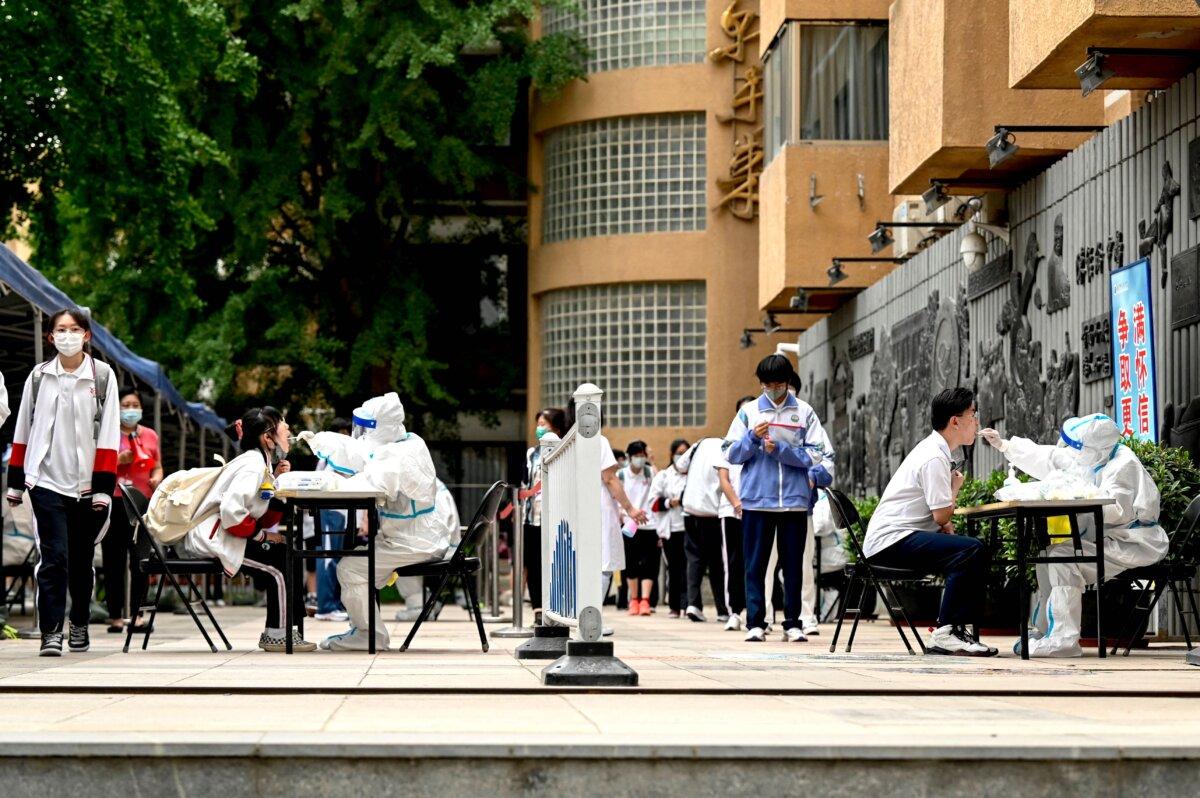
Health workers take swab samples from students to be tested for COVID-19 in Beijing on June 7, 2022. Jade Gao/AFP via Getty Images
And if the vaccine manufacturing process is substandard, “it will inevitably cause harm to some people, including developing pulmonary nodules,” Lin said.
The Chinese regime has never publicly disclosed the full extent of domestically produced COVID-19 vaccines’ side effects and long-term consequences.
“This is something the authorities are deliberately concealing,” Lin said. “Because the government doesn’t investigate, it’s very difficult for the public to see the full picture of the consequences of these COVID-19 vaccines.”
Mr. Liang, a patient with pulmonary nodules from Hebei Province who asked not to give his full name because of safety concerns, told The Epoch Times that he developed pulmonary nodules after receiving the Sinovac COVID-19 vaccine in January 2021.
“I also developed several autoimmune diseases, including severe allergic asthma, chronic pharyngitis, mitral and tricuspid valve regurgitation, and Hashimoto’s thyroiditis, all of which appeared after receiving the vaccine,” he said.
“Almost everyone I know who received the vaccine has pulmonary nodules.”
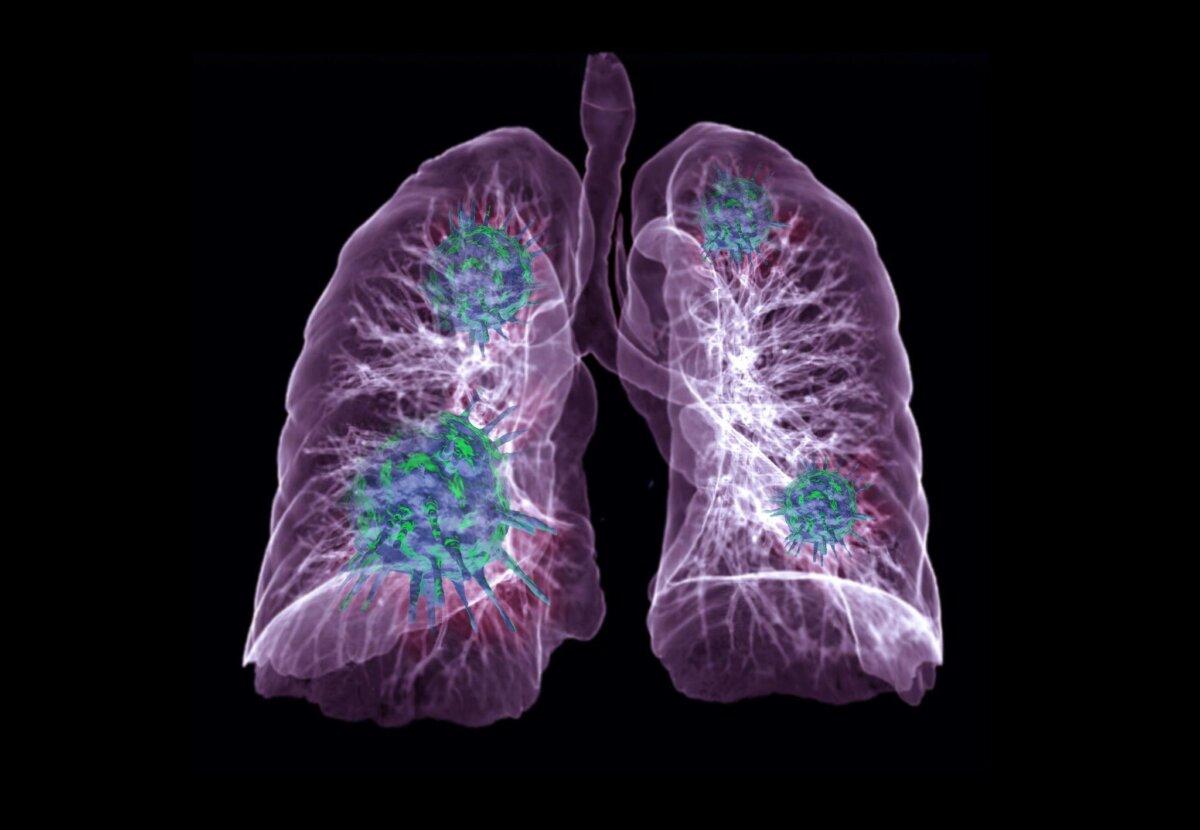
The incidence of pulmonary nodules has risen significantly following COVID-19 infection, making it crucial to rule out malignancy. Radiological imaging/Shutterstock
After two years of seeking redress, he said he and other people who are suffering the same believe that Chinese health officials and experts “are all in cahoots.”
“It’s almost impossible for them to admit that it’s a side effect of the vaccine,” he said.
Qian Dalong, a citizen in Beijing and a rights activist who had a stroke after being injected with a Chinese-made COVID-19 vaccine, told The Epoch Times that pulmonary nodules are “a common and insignificant condition compared to strokes, which are more prevalent after getting Chinese COVID-19 vaccines.”
“Those seeking redress for injuries from COVID-19 vaccines are the group facing the most severe suppression and persecution from the Chinese regime, with many being arrested,” he said, adding that both central and local authorities are doing everything to evade responsibility.
Promoting State-Backed Insurance
National Business Daily dedicated most of its Jan. 8 article to promoting insurance for pulmonary nodules.
It said that West China Hospital of Sichuan University, in collaboration with insurance and technology companies, introduced the nation’s first “digital therapy for comprehensive management of pulmonary nodules” in the first half of 2025. They claim that it can cover hundreds of millions of people with pulmonary nodules.
Lin pointed out that this type of “insurance for people with preexisting conditions,” although seemingly innovative, actually “to some extent shifts public dissatisfaction with the state’s health care issues” and “transforms skepticism about government health care deficits into a new form of commercial health insurance to fill the financial gap.”
Cheng Mulan and Yi Ru contributed to this report.