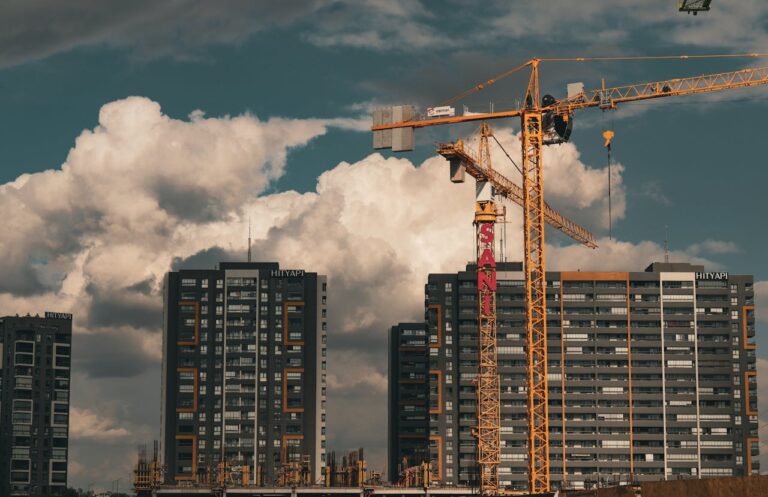
When development projects interfere with neighbouring properties, particularly through loss of daylight and rights to light, affected owners may seek legal action.
In some cases, courts find that a developer has built beyond what is acceptable and that neighbouring properties have suffered a measurable loss of natural light. Historically, this could result in an injunction requiring part of a building to be demolished or cut back.
However, modern courts are increasingly reluctant to order demolition where the consequences would create significant environmental, economic and social waste.
Instead, judges often favour awarding damages to affected neighbours while allowing the development to remain in place. This approach reflects a broader recognition of sustainability principles and the public interest in regeneration projects.
The Importance of Daylight in Development Disputes
Rights to light disputes commonly arise when a new building blocks natural daylight reaching neighbouring homes or offices. Natural light is an important aspect of property enjoyment and can affect both wellbeing and property value.
In England and Wales, approximately 85% of people live in urban areas, meaning development often takes place in close proximity to existing buildings. As cities become denser, disputes over daylight and sunlight have become increasingly common.
The construction sector is also responsible for around 25% of the UK’s total greenhouse gas emissions when both operational and embodied carbon are considered. Demolishing a completed building can therefore generate substantial environmental costs through waste, transport and reconstruction.
Why Courts Are Reluctant to Order Demolition In Right To Light Claims
Although courts retain the power to grant injunctions requiring demolition or substantial alterations, they now assess whether such a remedy would be proportionate.
A key consideration is the environmental impact of tearing down a completed structure. Demolition can result in thousands of tonnes of construction waste, much of which may ultimately be sent for processing or disposal.
Courts increasingly recognise that destroying a largely completed or occupied building may create greater environmental harm than allowing it to remain and compensating affected neighbours financially.
Judges also consider the wider benefits delivered by regeneration schemes, including new homes, office space, employment opportunities and improvements to local infrastructure. Where these benefits are substantial, demolition may be viewed as an excessive response to a private rights dispute.
The Position in Right To Light With Powell v Ludgate House [2025]
The High Court’s decision in Powell v Ludgate House Ltd, heard alongside Cooper v Ludgate House Ltd, provides a significant example of this modern approach. The claimants argued that the Arbor building at the Bankside Yards development in London interfered with their rights to light and sought an injunction that would effectively require part of the development to be removed.
The court accepted that the development had caused an actionable interference with the claimants’ rights. However, it refused to grant an injunction and instead awarded substantial negotiating damages. The claimants received awards of £350,000 and £500,000 respectively.
In reaching its decision, the court considered whether forcing the developer to cut back or demolish part of the building would be proportionate.
It concluded that the environmental and economic waste associated with such a remedy weighed heavily against granting an injunction. The court also took account of the wider public benefits of the regeneration project and the fact that the developer had not acted in a deliberately oppressive or high-handed manner.
A Shift Towards Practical Remedies
The decision illustrates a broader judicial trend towards practical and proportionate remedies. Courts recognise that neighbouring owners deserve compensation where their rights have been infringed. However, they are increasingly willing to conclude that financial compensation provides a fairer outcome than requiring the destruction of a completed building.
This approach seeks to strike a balance between protecting private property rights and avoiding unnecessary environmental harm. Where a development has already been built, demolition may simply replace one problem with another by generating waste, consuming additional resources and undermining the benefits of urban regeneration.
Conclusion
Rights to light disputes remain an important safeguard for neighbouring property owners. Nevertheless, modern courts are increasingly focused on proportionality and sustainability. Where a development has caused an unlawful loss of daylight, judges may conclude that damages represent a more appropriate remedy than demolition.
The ruling in Powell v Ludgate House [2025] demonstrates how courts now weigh environmental consequences, economic waste and public benefit alongside private property rights. As regeneration projects continue to reshape UK cities, damages are likely to remain the preferred remedy where demolition would create greater harm than the infringement itself.