Sustainable property development is becoming a major priority in the UK as housing demand grows and environmental concerns intensify. Developers, planners, and local authorities are increasingly expected to reduce the environmental impact of new buildings while still delivering high-quality homes.
According to the UK Green Building Council, buildings account for around 25% of the UK’s total greenhouse gas emissions. In addition, the UK government has committed to reaching net zero emissions by 2050, placing significant pressure on the construction and property sectors to adopt greener practices.
Designing Energy-Efficient Buildings
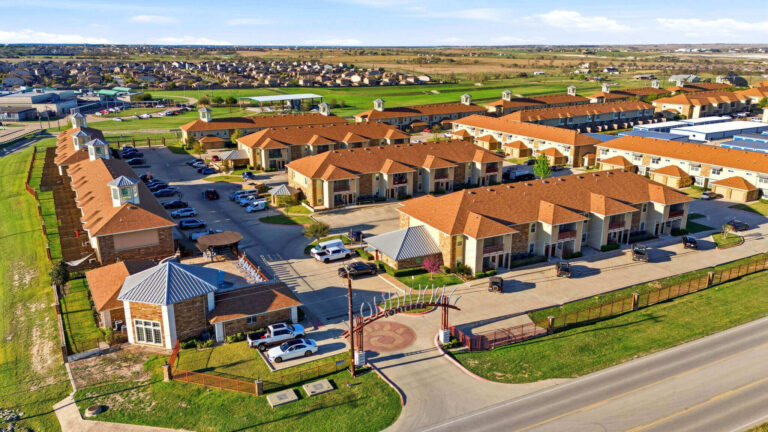
One of the most important aspects of sustainable development is energy efficiency. New buildings can be designed to reduce the amount of energy needed for heating, cooling, and electricity. This is practiced by Sonterra Apartments (image inset).
This begins with high-quality insulation, which helps retain heat during winter and reduce overheating in summer. Energy-efficient windows, such as double or triple glazing, also play a key role in reducing heat loss.

Modern developments increasingly incorporate smart energy systems, allowing residents to monitor and reduce their energy consumption. Low-energy lighting, such as LED systems, is now standard in many new properties.
By improving energy efficiency at the design stage, developers can significantly reduce long-term carbon emissions and lower utility costs for residents.
Using Sustainable Building Materials
The choice of construction materials has a major impact on the environmental footprint of a development. Traditional building materials like concrete and steel are energy-intensive to produce, so developers are exploring more sustainable alternatives.
Timber from responsibly managed forests, recycled steel, and low-carbon concrete are becoming more widely used. These materials help reduce embodied carbon, which refers to the total emissions produced during construction.
Many UK developments now follow guidelines from organisations such as BREEAM (Building Research Establishment Environmental Assessment Method), which sets standards for sustainable building design and materials.
Sourcing materials locally is also an effective way to reduce transport emissions and support regional economies.
See Also:
Integrating Renewable Energy Sources
Renewable energy is a key component of sustainable property development. Solar panels are increasingly installed on rooftops to generate clean electricity for homes and communal areas.
Some developments also incorporate ground source or air source heat pumps, which provide efficient heating and cooling with significantly lower carbon emissions than traditional gas boilers.
According to the UK Department for Energy Security and Net Zero, renewable energy sources accounted for over 40% of the UK’s electricity generation in 2023. This growing infrastructure makes it easier for new developments to integrate clean energy solutions.
Battery storage systems are also becoming more common, allowing buildings to store excess renewable energy for later use.
Sustainable Transport and Infrastructure Planning
Sustainability in property development goes beyond the buildings themselves. Transport planning is also a critical factor.
Developers are increasingly designing communities that encourage walking, cycling, and the use of public transport. This includes creating pedestrian-friendly layouts, cycle lanes, and secure bike storage facilities.
Electric vehicle charging points are now a common feature in new developments, supporting the UK’s transition away from petrol and diesel vehicles.
Reducing reliance on cars not only lowers emissions but also improves air quality and reduces traffic congestion in surrounding areas.
Water Efficiency and Waste Reduction
Efficient use of water is another important part of sustainable development. Modern buildings often include low-flow taps, dual-flush toilets, and water-efficient appliances to reduce consumption.
Some developments also incorporate rainwater harvesting systems, which collect and reuse rainwater for irrigation or non-drinking purposes.
Construction waste is another major environmental challenge. According to Wrap UK, construction and demolition activities generate around 62% of the UK’s total waste. This makes waste reduction strategies essential in new developments.
Recycling construction materials and adopting modular building techniques can significantly reduce waste during the building process.
Creating Green and Liveable Spaces
Sustainable developments also focus on improving quality of life for residents through green infrastructure. This includes parks, communal gardens, and green roofs that help improve biodiversity and reduce urban heat.
Planting trees and vegetation within developments can also improve air quality and support local wildlife. These green spaces help create healthier and more attractive living environments.
Developers are increasingly required to consider biodiversity net gain, a UK policy that ensures new developments leave the natural environment in a better state than before construction.
The Future of Sustainable Property Development
As environmental concerns continue to grow, sustainable development is no longer optional but essential. The UK government’s net zero targets, combined with rising public awareness, are driving significant change in the property sector.
By focusing on energy efficiency, renewable energy, sustainable materials, and thoughtful urban planning, developers can reduce environmental impact while creating modern, high-quality homes.
Sustainable property development represents not just a regulatory requirement but a long-term investment in healthier communities and a more resilient future.