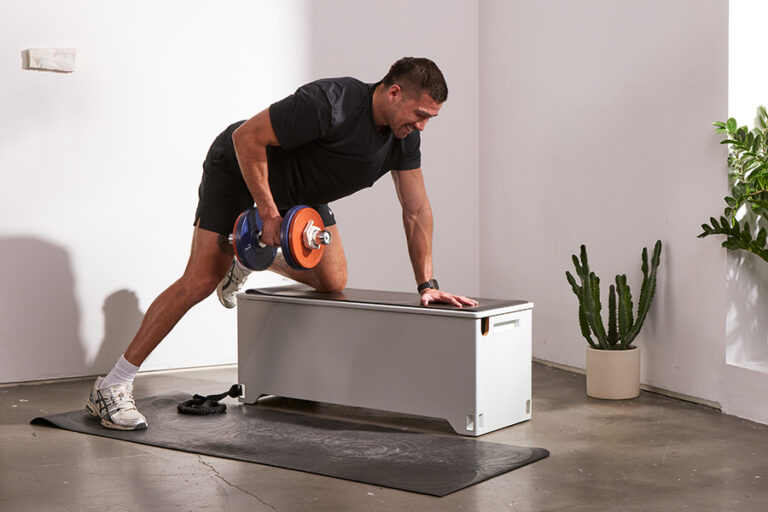
A leading home gym equipment brand has highlighted the importance of sustainable production as part of their value proposition. Fittle Fit is a London-based gym equipment brand, providing a host of gym plates and dumbells that can be neatly stored in a chic box in your living room. The fast-growing brand uses a sustainable production partner in China to produce its line, which it says is worth it, even if it means production delays and longer turnaround times.

Sustainable Manufacturing Matters
As the fitness industry grows, more consumers are also paying attention to sustainability. Many buyers now want products that align with healthier and more environmentally responsible lifestyles.
Fittle Fit has placed sustainability at the centre of its brand approach. The company’s gym plates and bars are produced in China through manufacturing partners that focus on more sustainable production methods and environmental standards.
Across China, a growing number of fitness equipment factories are investing in energy-efficient machinery, recycling systems, and environmentally friendly production processes. Some manufacturers now use automated circular production systems, improved waste management, and lower-emission coating technologies to reduce environmental impact.
This approach fits closely with the wider health and wellness message promoted by modern fitness brands. Customers who invest in improving their own health increasingly want to support businesses that are also considering environmental health.

The Challenges of Sustainable Production
While sustainable manufacturing brings clear environmental benefits, it also creates challenges for growing businesses.
Producing gym plates and bars through factories with stronger environmental standards often increases manufacturing costs. Energy-efficient processes, higher-quality materials, waste reduction systems, and stricter compliance standards all add expense compared with cheaper mass-production methods.
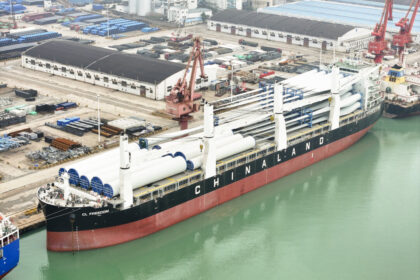
Sustainable production can also lead to longer lead times. Equipment may take longer to manufacture, quality check, and transport. International shipping delays and rising freight costs since the pandemic have added further pressure for businesses importing products from overseas.
For a scaling fitness brand, balancing sustainability with affordability can be difficult. Customers often expect fast delivery and competitive prices, especially in the online fitness market where competition is strong.
However, many companies now believe sustainability is becoming essential rather than optional.