New energy shocks from the Middle East are accelerating structural changes inside China’s energy grid.

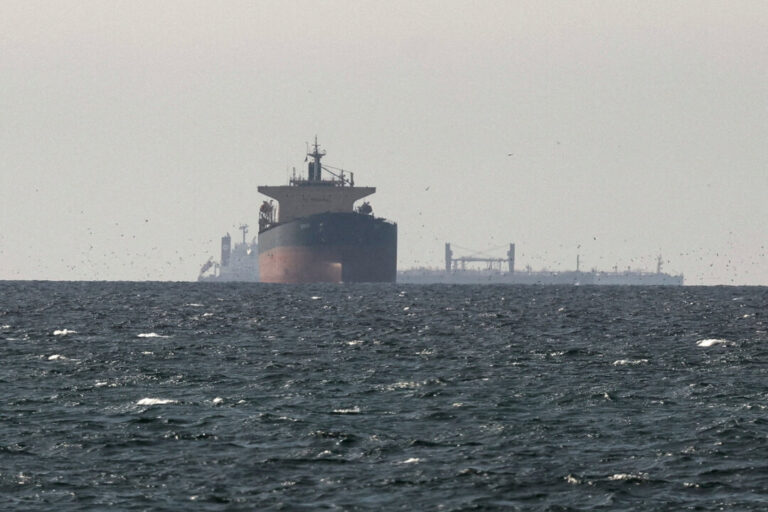
Tankers sail in the Gulf, near the Strait of Hormuz, as seen from northern Ras al-Khaimah, near the border with Oman’s Musandam governance, amid the U.S.–Israeli conflict with Iran, in United Arab Emirates on March 11, 2026. Reuters

|Updated:
Commentary
The ongoing conflict surrounding Iran and the broader U.S. effort to reshape global energy flows is having a significant, lasting impact on China’s economy. As the world’s largest energy consumer and importer of crude oil, it is particularly vulnerable to disruptions in Middle Eastern supply routes and price volatility in global oil markets.